One of My Favorite Ways to Spend an Afternoon in Hiroshima
After years of traveling and living abroad, I eventually chose to move back to my hometown, Hiroshima, in 2019.
I’ve stayed with local families in The Gambia, where I learned to cook over an open fire, and during business trips to New York, I spent my free time shopping at local supermarkets, cooking simple meals, and enjoying quiet picnics in city parks.
Those experiences taught me that the best way to understand a place isn’t by checking off famous attractions—it’s by spending time the way locals do.
Hiroshima Is One of Japan’s Greenest Cities
Wide rivers run through the heart of Hiroshima, with peaceful walking paths stretching along both banks.
Even though downtown is only a few minutes away, it’s easy to find a quiet spot where you can sit on the grass, watch people cycling or jogging, and simply enjoy the view.
This wasn’t an accident.
After the atomic bombing, Hiroshima embraced a vision of becoming a city filled with greenery—a symbol of peace, hope, and renewal. The city’s ambitious tree-planting projects were once criticized, but decades later that vision was recognized with the Prime Minister’s Green City Award.
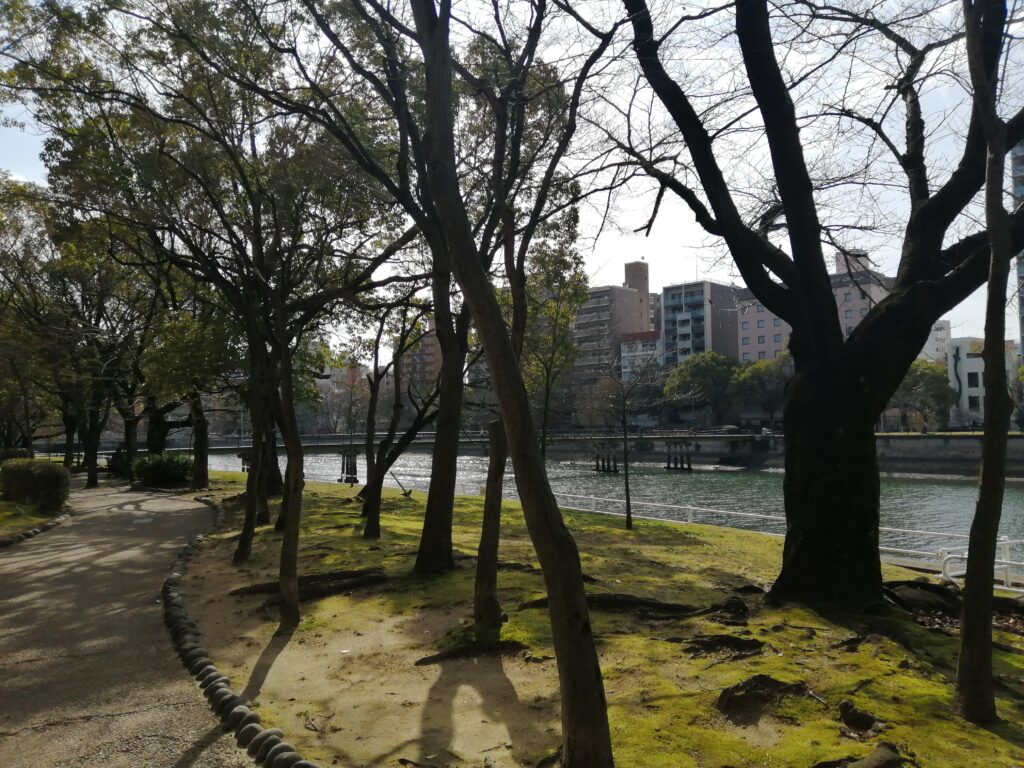
My Favorite Way to Spend an Afternoon
For me, one of the best ways to experience Hiroshima is surprisingly simple.
I pick up something delicious to eat, bring a book, and spend a few quiet hours by the river.
It may not sound like a typical sightseeing activity, but it’s exactly the kind of afternoon that makes me appreciate living here—and one I often recommend to visitors who want to discover a different side of Hiroshima.
1. Pick Up Fresh Bread
Hiroshima has a wonderful bakery culture, with everything from long-established local favorites to modern artisan bakeries.
One place I always recommend is Andersen. Founded in Hiroshima in 1948, it has been part of local life for generations. Whether you’re looking for a flaky Danish pastry, a hearty sandwich, or freshly baked bread to share, it’s hard to go wrong.
If you prefer something more contemporary, stop by ALOFT. This local bakery is known for its creative breads and sandwiches, and lately, I’ve been especially obsessed with their game-meat hot dog.
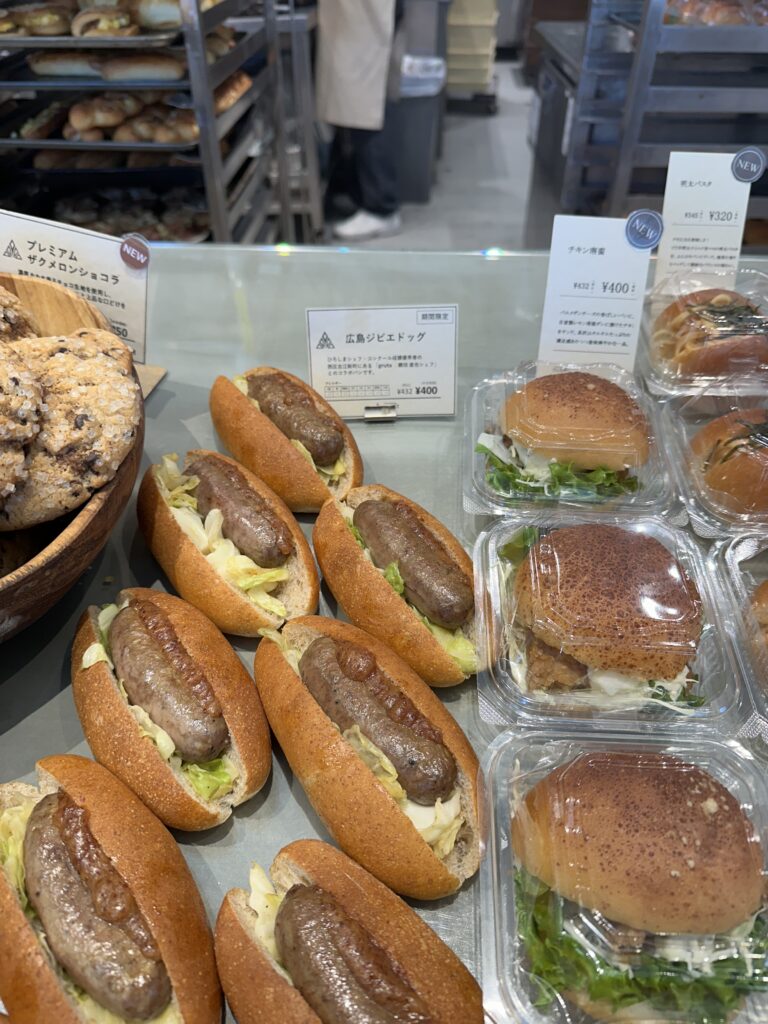
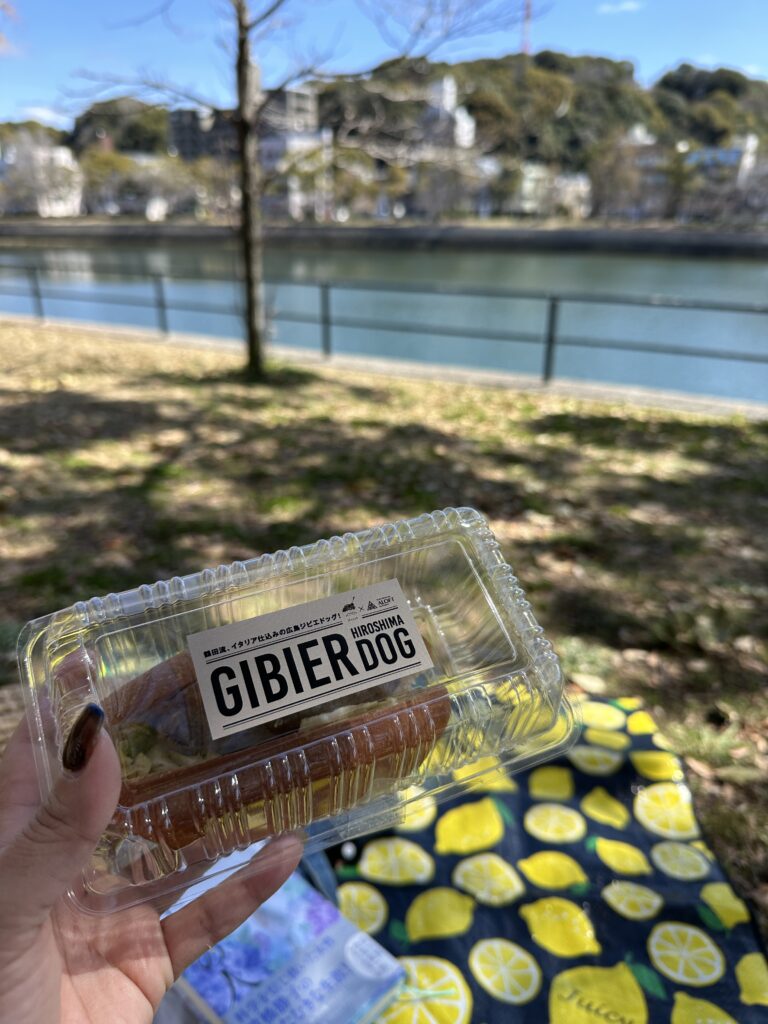
The first time I tried it, I remember thinking, This sausage is really good.
Then I found out why.
The sausage was actually made by Dotcom, a local producer whose sausages I’ve been buying and enjoying for years.
Apparently, my taste buds know exactly what they like. 🤤
It’s a small discovery, but it’s also something I love about eating locally in Hiroshima—you start to notice connections between your favorite shops, producers, and ingredients.
2. Grab a Bento from Musashi
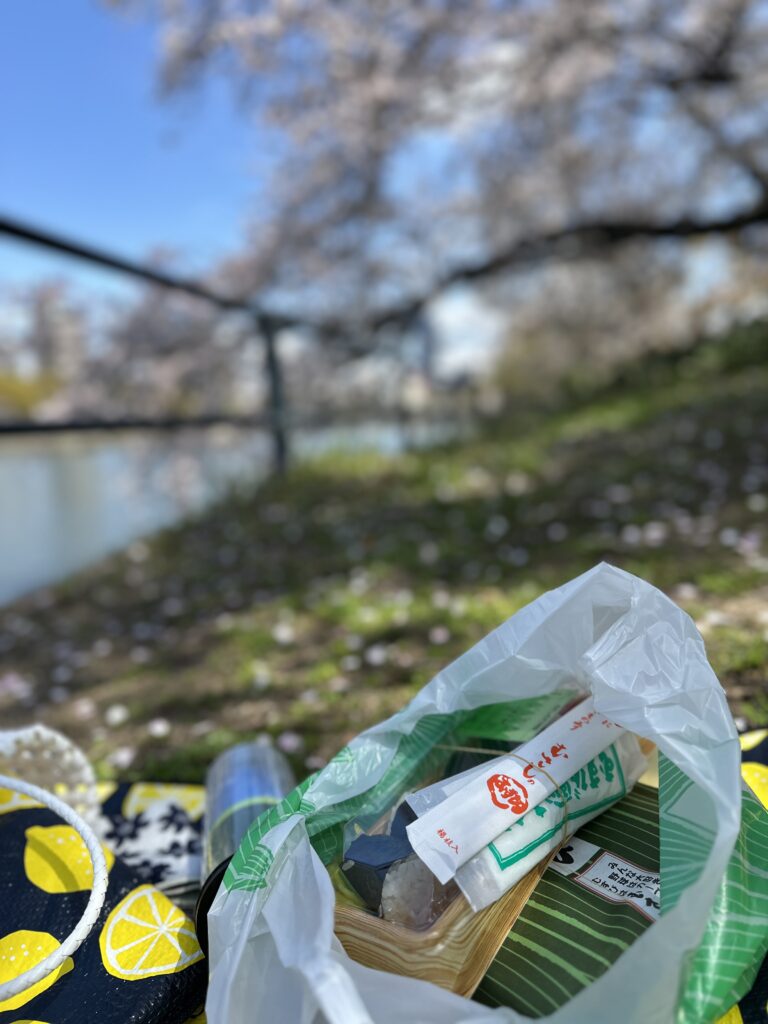
If bread isn’t what you’re craving, head to Musashi, one of Hiroshima’s most beloved bento shops.
Their rice balls, fried chicken, and homemade side dishes have been enjoyed by locals for decades. My personal favorite is the Wakadori Musubi bento—simple, comforting, and perfect for eating by the river.
One thing I especially love about Musashi is that it proudly embraces its Hiroshima roots. The packaging is charming, often wrapped with bamboo leaves and decorated with Hiroshima dialect. Depending on the season, you’ll even find designs inspired by the city’s beloved sports teams—the bright red of the Hiroshima Toyo Carp or the purple of Sanfrecce Hiroshima.
It’s a small detail, but somehow it makes the picnic feel even more local.
3. Pick Up Some Local Drinks
If you’d like to enjoy a drink with your picnic, I highly recommend stopping by Sakasho Yamada.
It’s one of Hiroshima’s best local liquor stores, with an excellent selection of Hiroshima sake, craft beer, wine, and local snacks that pair perfectly with a relaxing afternoon by the river. The staff are knowledgeable and happy to help if you’re not sure what to choose.
Just one piece of advice—drink responsibly. A picnic by the river is about slowing down and enjoying the atmosphere, not drinking too much.
If you’d rather not stop by a shop, food delivery is also a convenient option. You can order everything from pizza and burgers to sushi or local dishes and have them delivered to a nearby location before settling in by the riverside.
One More Thing: Bring a Good Book
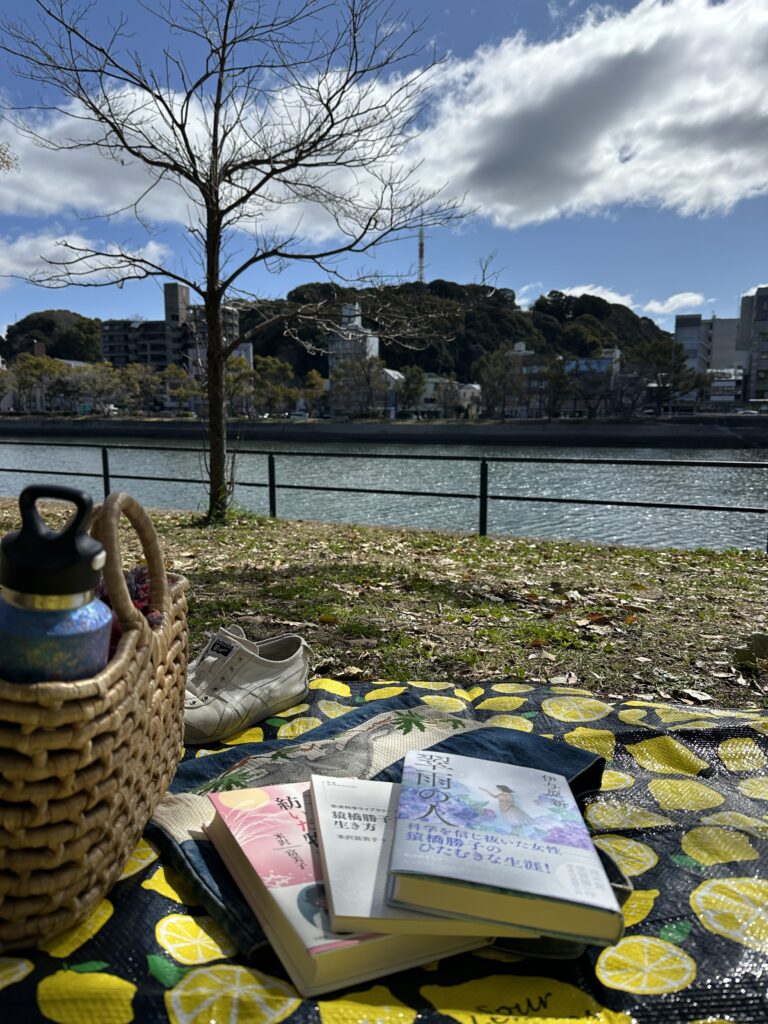
One thing I never regret bringing is a good book.
If you’re staying downtown, MARUZEN is an excellent place to browse before your picnic. It has a surprisingly good selection of English-language books alongside Japanese titles, making it easy for international visitors to find something to enjoy.
Sometimes I’ll spend twenty minutes browsing the shelves before walking down to the river, finding a quiet spot under the trees, and reading for an hour or two.
No schedule. No rush.
Just the sound of flowing water and the feeling that, for a little while, you’re living in Hiroshima instead of simply visiting.
One More Local Tip: Stop by Daiso
Before heading to the riverside, I often make one more stop—Daiso, Japan’s famous 100-yen shop.
If you’ve forgotten anything for your picnic, this is the perfect place to pick it up. Picnic blankets, reusable cups, paper plates, wet wipes, and even cute baskets can all be found for around ¥100–300.
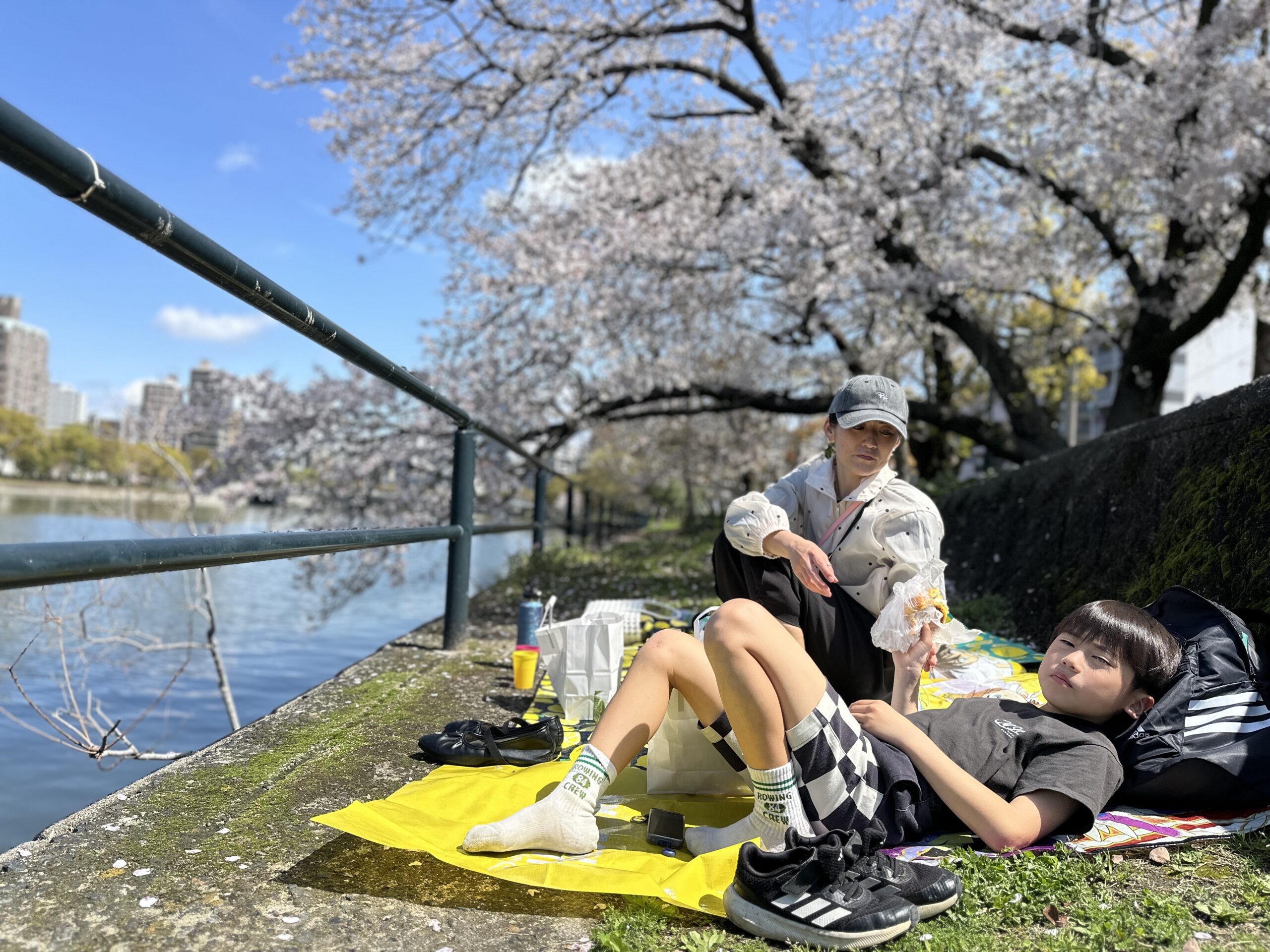
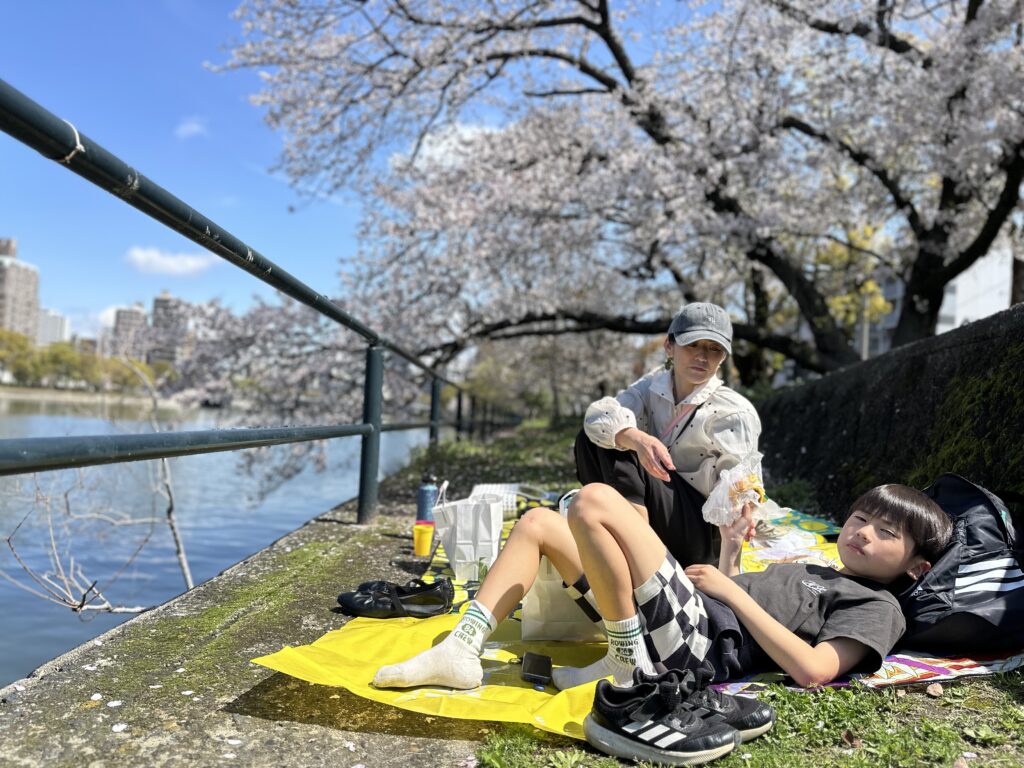
The picnic blanket you see in these photos is actually from Daiso!
If you’re visiting with children, you’ll also find bubble wands, balls, flying discs, and other inexpensive toys that are perfect for an afternoon by the river.
Here’s another fun fact: Daiso was founded in Higashihiroshima, just east of Hiroshima City. What started as a small local business has grown into one of Japan’s best-known brands, with stores all over the world.
It’s one more little reason that a simple picnic in Hiroshima feels uniquely local.
Slow Down
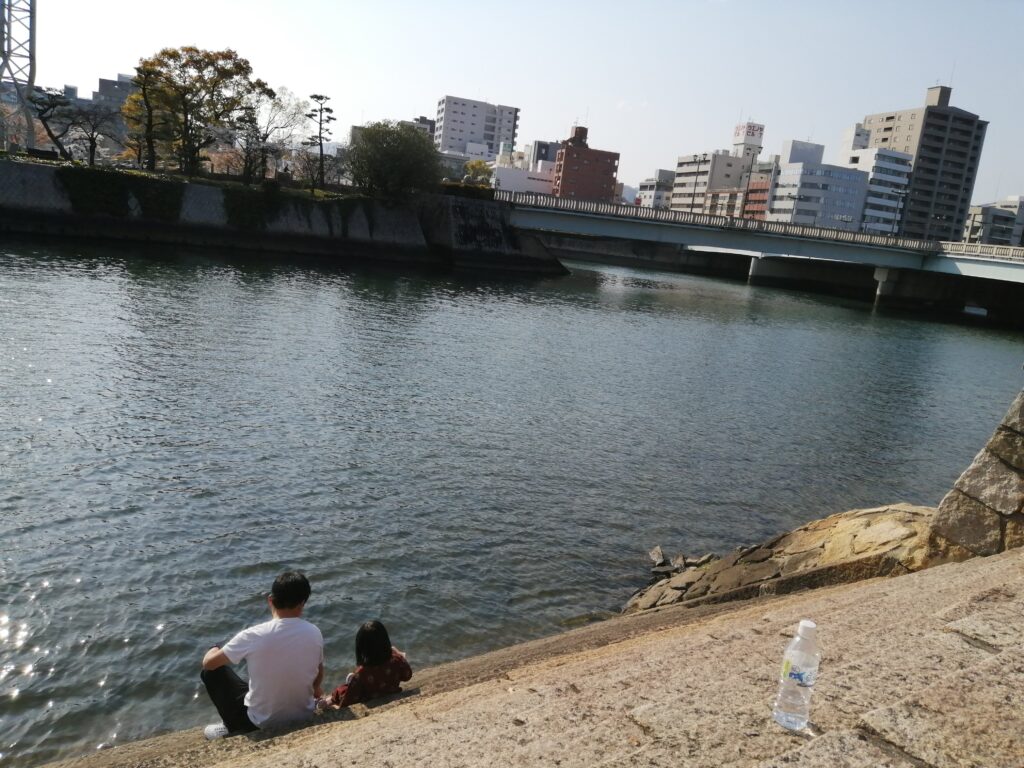
Many people visit Hiroshima to see famous landmarks like the Peace Memorial Park or Miyajima—and they absolutely should.
But if you have a free afternoon, I’d encourage you to experience another side of the city.
Buy something delicious from a neighborhood shop, pick up a drink if you’d like, find a quiet place by the river, and simply spend time like a local.
Sometimes, the most memorable travel experiences aren’t the ones you planned.
They’re the moments when you stop trying to see everything—and simply enjoy where you are.